Best Gluten Free Restaurants in Tokyo (2026 Guide)
By Ikumi H.
Independent guide, based in Japan. Every venue verified via Google Places. How we verify →
Last updated: 2026-09-01 · 5 min read
Finding genuinely gluten-free food in Tokyo takes more than a Google search. Standard Japanese cuisine is quietly loaded with wheat: soy sauce (shoyu, 醤油) contains it, tempura batter is made from it, and even seemingly simple broths often hide it in the form of wheat-based mirin or seasoning pastes. The word to look for on labels and menus is 小麦 (komugi), Japan's mandatory allergen label term for wheat. With that grounding, here are five verified, operational gluten-free venues worth knowing about across Tokyo.
Gluten Free T's Kitchen – Roppongi (Near Tokyo Tower)
With 918 reviews and a 4.5-star rating on Google, the Roppongi location of T's Kitchen is the most-reviewed dedicated gluten-free restaurant in this guide and one of the most reviewed in all of Tokyo. Roppongi puts it roughly 2km from Tokyo Tower, making it a genuinely practical stop if you're in that part of Minato City.
T's Kitchen markets itself as a fully gluten-free restaurant, which means the fundamental cross-contamination risk of shared fryers, shared prep surfaces, and wheat-dusted hands is dramatically reduced compared to a standard restaurant offering "gluten-free options." That distinction matters enormously for celiac travelers.
Before visiting, check current hours and whether reservations are required on Google Maps. Confirm whether they use tamari (tamari shoyu, 溜り醤油) rather than standard wheat-containing soy sauce in their cooking.
🏨 Find stays near these spots →
Gluten Free T's Kitchen Harajuku – Shibuya
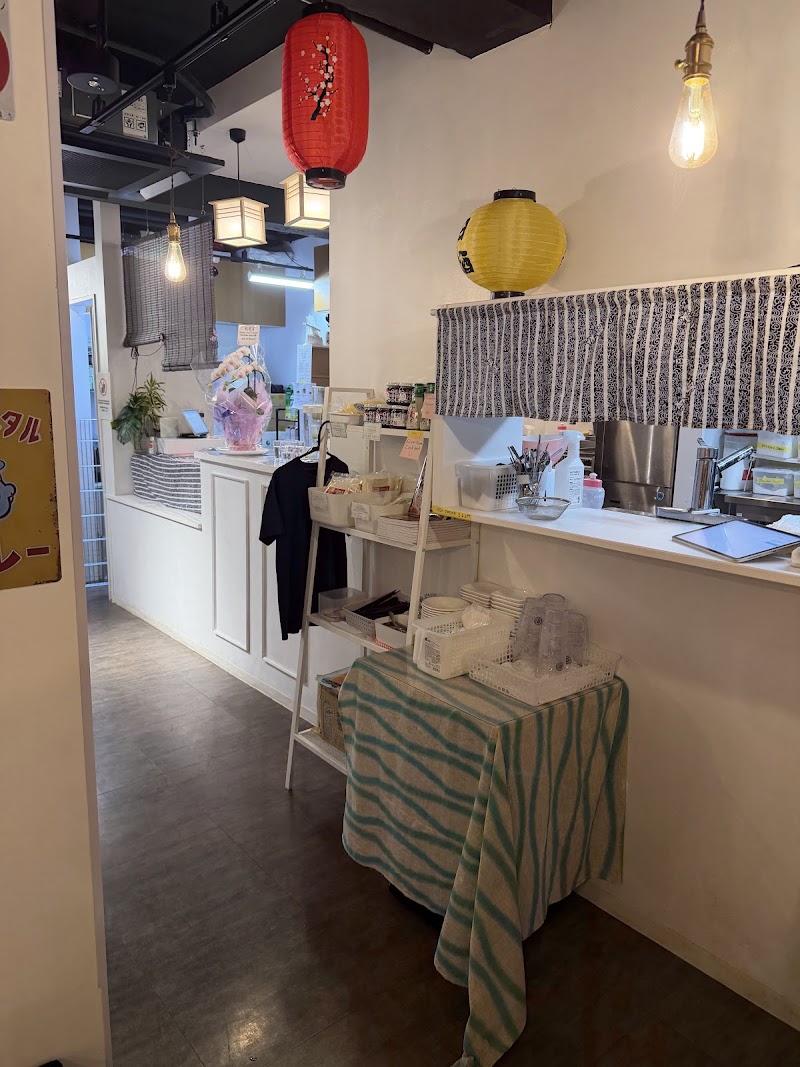
The Harajuku branch of T's Kitchen sits in Jingūmae, Shibuya, in a basement-level space (B1) on a street close to the bustle of Takeshita-dori. It carries 136 reviews and a strong 4.7-star rating, suggesting a consistently positive experience for gluten-sensitive diners even as a newer or smaller outpost than Roppongi.
Harajuku's location makes this a useful anchor for a day that also includes Meiji Shrine or Omotesando. Because it shares a brand with the Roppongi original, the kitchen philosophy around gluten should be consistent — but always confirm directly, especially if your reaction threshold is low. Ask: "Koko wa kanzen ni guruten furī desu ka?" (ここは完全にグルテンフリーですか?) — "Is this place completely gluten-free?"
Check current hours on Google Maps before visiting.
RICEHACK GlutenfreeBakery – Jingūmae, Shibuya
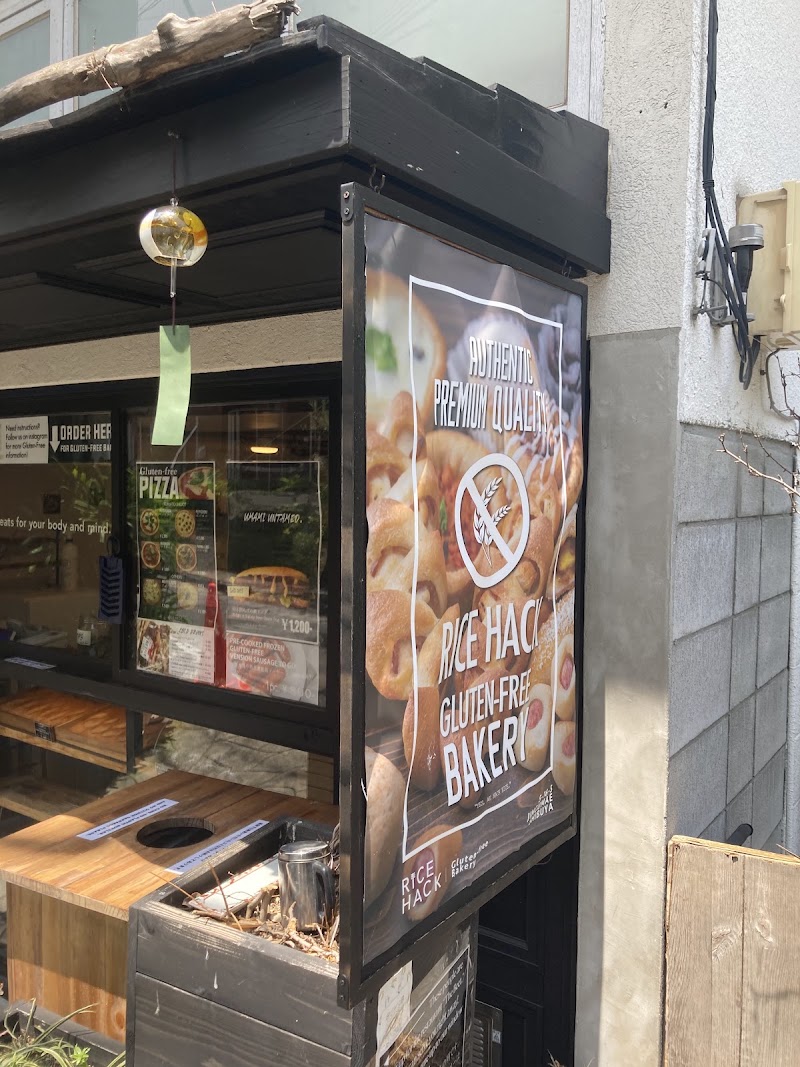
This is the standout bakery recommendation in the guide. 328 reviews at 4.8 stars is a combination that's hard to fake — it signals a venue that has earned repeat visits and genuine enthusiasm from gluten-free travelers and locals alike.
RICEHACK is located in Jingūmae, just a short walk from the Harajuku T's Kitchen, which means a single trip to this neighborhood can cover both. As the name suggests, this is a rice-based bakery concept — leaning into Japan's natural pantry of rice flour (komeko, 米粉) as a wheat substitute. Rice flour baked goods done well are a revelation for celiac travelers who've spent years settling for dense, gummy alternatives elsewhere.
For bakery items, ask about individual product ingredients if you have concerns beyond gluten — sesame, soy, and eggs are common in Japanese baked goods. Verify current stock and hours on Google Maps.
Oh Nana! Gluten Free Japanese Cafe & Restaurant – Kanda, Chiyoda City (Near Tokyo Station)
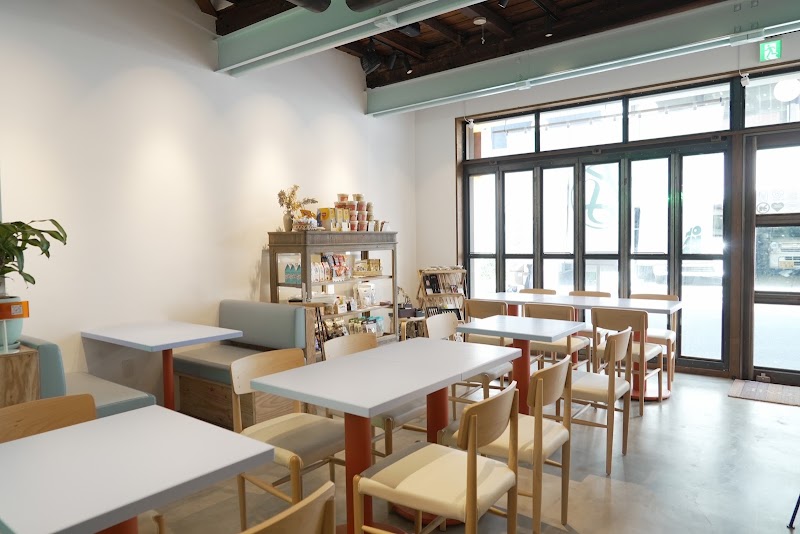
If you're looking for gluten-free dining near Tokyo Station, Oh Nana! in Kanda is your closest verified option in this guide. Kanda (神田) sits in Chiyoda City, just one train stop north of Tokyo Station on the Chuo or Yamanote lines — walkable if you're staying in that area.
The numbers here are remarkable: 118 reviews and a 4.9-star rating. That near-perfect score across over a hundred reviews suggests this is not just a novelty but a restaurant that genuinely delivers on its promise. The name and branding frame it explicitly as a Japanese cafe and restaurant — meaning you're likely getting a gluten-free interpretation of Japanese comfort food rather than Western imports, which is exactly what many celiac visitors to Japan are most desperate to find.
Check the current menu, hours, and reservation policy on Google Maps before making the trip.
Setagaya Alley Bite – Umegaoka, Setagaya City (Near Tokyo Skytree Side of the City)
This one is for adventurous diners willing to leave central Tokyo. Umegaoka (梅ヶ丘) in Setagaya is on the Odakyu line, southwest of the city center — geographically on the opposite end of Tokyo from Skytree, but the furthest from the tourist cluster, which often means more local, more personal experiences. The full name — Setagaya Alley Bite Cheese Fried Bread & Fried Food Bar (Gluten-free) — tells you the concept immediately: fried food, done gluten-free.
With 23 reviews and a 4.2-star rating, this is a newer or niche venue with less data than the others. That doesn't disqualify it — small, passionate gluten-free operations in Tokyo deserve support — but it does mean verifying carefully before a special trip. Confirm it's open, confirm the gluten-free claim extends to shared fryer policies (critical for fried food), and check whether the space is walk-in friendly or reservation-only.
View current details on Google Maps.
How to Verify Before You Go
Restaurant situations change. Hours shift, chefs change, and a place that was rigorous about gluten in one season can slip under new management. Here's how to protect yourself:
Check Google Maps the day before. Confirm the venue is still marked as open and read the most recent reviews, filtering for mentions of "celiac," "グルテンフリー" (guruten furī), or "小麦" (komugi).
At konbini (convenience stores), look for 小麦 in the allergen box on the back of any packaged food. Japan's mandatory allergen labeling requires wheat to be declared — it's one of the eight regulated allergens. Onigiri (rice balls) seem safe but often use soy sauce in the seasoning. Plain rice (gohan, ご飯) from a konbini is usually your safest grab-and-go bet.
Use this phrase card at restaurants:
- "Komugi arerugi ga arimasu" (小麦アレルギーがあります) — "I have a wheat allergy."
- "Shoyu ni komugi wa haitte imasu ka?" (醤油に小麦は入っていますか?) — "Does the soy sauce contain wheat?"
- "Tamari shoyu wa arimasu ka?" (溜り醤油はありますか?) — "Do you have tamari soy sauce?"
Cross-contamination is the invisible risk. A restaurant that offers a "gluten-free dish" alongside standard tempura in a shared fryer is not safe for celiacs. The venues in this guide are dedicated or near-dedicated gluten-free spaces, which is precisely why they're worth the detour.
Near Tokyo Skytree, dedicated gluten-free restaurants are sparse. Your best tactical approach is to eat at one of the venues above before or after a Skytree visit, and rely on plain rice, fresh fruit, or konbini allergen-checked snacks while in the immediate Asakusa/Oshiage area.
Tokyo rewards the prepared traveler. With the right vocabulary, the right venues bookmarked, and an understanding of where wheat hides in Japanese cooking, eating here with celiac disease is entirely manageable — and genuinely delicious.