Gluten Free Restaurants Near Tokyo Station (2026)
By Ikumi H.
Independent guide, based in Japan. Every venue verified via Google Places. How we verify →
Last updated: 2026-09-01 · 5 min read
Finding genuinely gluten-free food near Tokyo Station means navigating one of the most wheat-dependent food cultures on earth. Standard Japanese shoyu (soy sauce) contains wheat. Tempura batter, ramen broth, udon, most teriyaki glazes, and even many "safe-looking" rice dishes can carry hidden gluten through shared fryers or wheat-based seasonings. The good news: the five venues below have been verified as operational and have earned strong ratings from real diners — many of them celiac travelers who know exactly what's at stake.
Oh Nana! Gluten Free Japanese Cafe & Restaurant — Kanda (Closest to Tokyo Station)
If you're arriving at Tokyo Station and want the most convenient dedicated gluten-free option, Oh Nana! in Kanda (Chiyoda City) is your first stop. It's a short walk or one train stop from Tokyo Station, sitting in a neighborhood that most tourists skip entirely — which means less crowding and a relaxed pace.
With a , this is the highest-rated venue on this list by score, and reviewers consistently highlight staff who communicate clearly about celiac requirements. The name "Gluten Free" is in the restaurant's own trading name — that's a meaningful signal in Japan, where dedicated GF establishments are rare.
Before visiting, confirm current opening days on Google Maps — smaller specialty cafes in Tokyo sometimes take irregular weekday breaks or seasonal closures.
🏨 Find stays near these spots →
Kushiage Su — Ginza (A Celiac's Rarest Find: GF Kushiage)
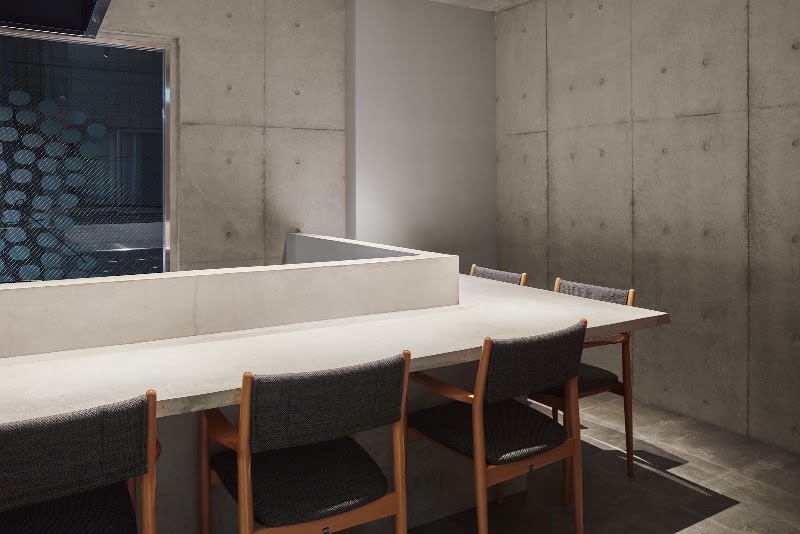
Kushiage (串揚げ) — deep-fried skewers — is normally an absolute no-go for celiacs. Standard kushiage uses wheat-based breadcrumbs (panko) and shared fryer oil. Kushiage Su in Ginza, Chuo City, is a remarkable exception.
With a perfect 5.0 rating from 201 reviews, this is statistically the most beloved venue on this list. Ginza is roughly a 10-minute walk southwest from Tokyo Station, making it genuinely practical as a dinner destination after arrival.
The key question to ask when reserving or arriving: confirm they use dedicated gluten-free frying oil and gluten-free breadcrumb alternatives, and that there is no cross-contamination risk from shared cooking equipment. In Japanese, you can say: "Komugi arerugi ga arimasu. Aburana wa kyōyō shite imasuka?" (小麦アレルギーがあります。油は共用していますか?) — "I have a wheat allergy. Is the frying oil shared?"
Check current reservation requirements and hours on Google Maps before visiting. A venue this popular may require booking ahead.
Gluten Free T's Kitchen Ueno-hirokoji — Sotokanda, Chiyoda City
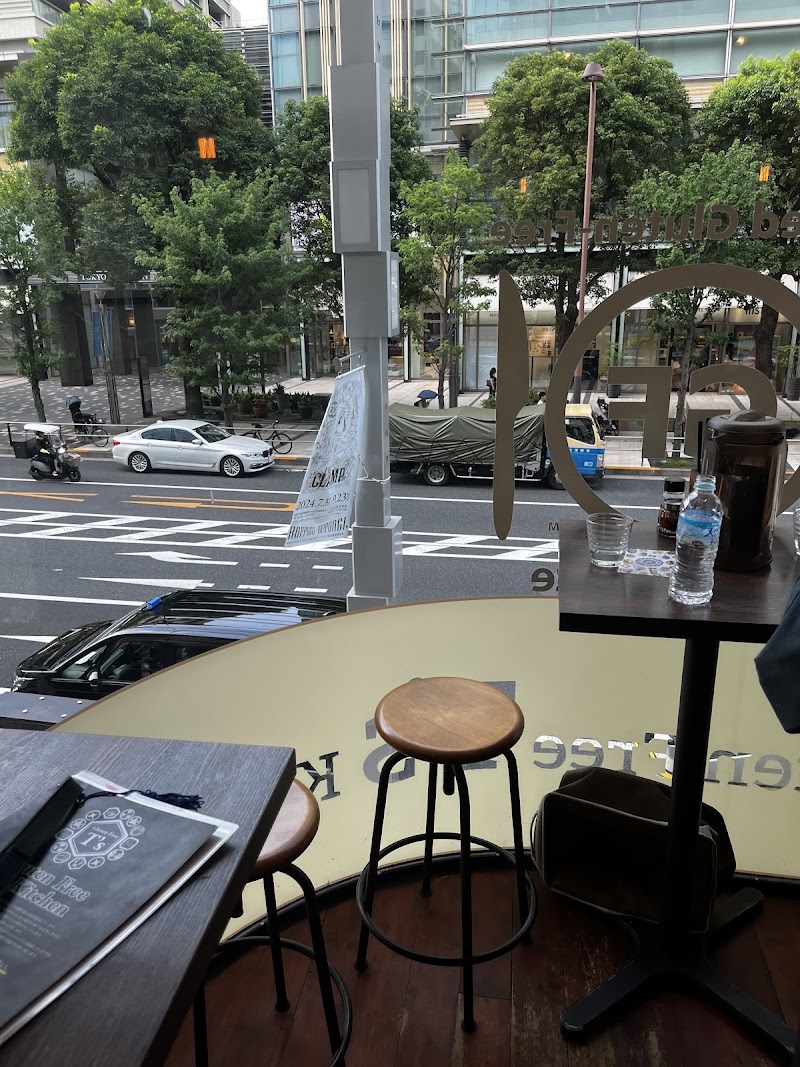
The T's Kitchen chain is the closest thing Tokyo has to a dedicated gluten-free restaurant group, and the Ueno-hirokoji branch is the most reviewed location with 373 Google reviews and a 4.4 rating. Located in Sotokanda within Chiyoda City — the same ward as Tokyo Station — this is highly accessible from central Tokyo.
The Ueno-hirokoji branch is housed inside an APA Hotel building, which means it can attract a mix of hotel guests and destination diners. High review volume is meaningful here: with 373 ratings, the score is more statistically robust than a venue with 20 reviews.
When visiting any T's Kitchen location, ask staff to confirm whether specific dishes use tamari (a wheat-free alternative to standard shoyu) or regular soy sauce, as formulations can vary. Verify current hours and whether walk-ins are accepted at Google Maps.
Gluten Free T's Kitchen Roppongi — Minato City
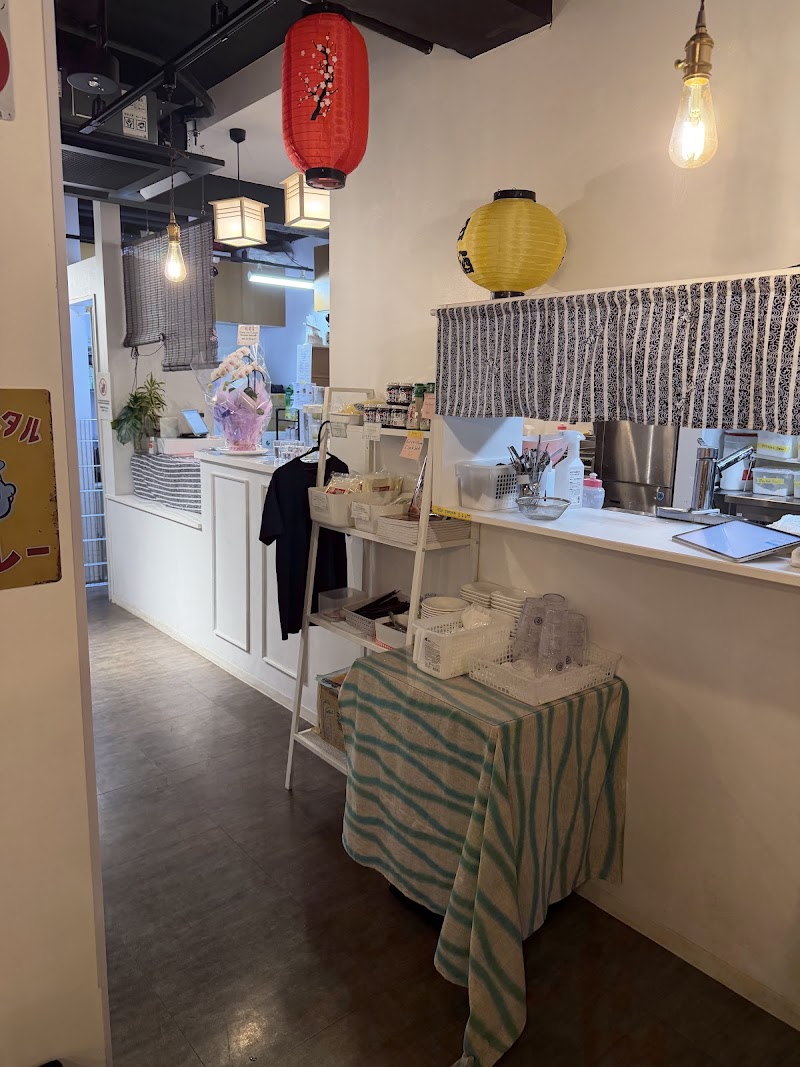
The Roppongi flagship is the chain's most reviewed location with an impressive 918 reviews and a 4.5 rating — the highest review count on this entire list by a wide margin. Nearly a thousand opinions from diners, a substantial proportion of them international visitors with celiac disease, makes this one of the best-documented GF dining experiences in Tokyo.
Roppongi is roughly 20–25 minutes from Tokyo Station by subway (Hibiya or Oedo line to Roppongi Station). It's a sensible dinner destination if you're spending an evening in that part of the city.
The volume of reviews also means you can read recent firsthand accounts before visiting — filter for English reviews mentioning "celiac" or "wheat" to get specific safety feedback. Check current hours and location details on Google Maps.
Gluten Free T's Kitchen Harajuku — Jingumae, Shibuya
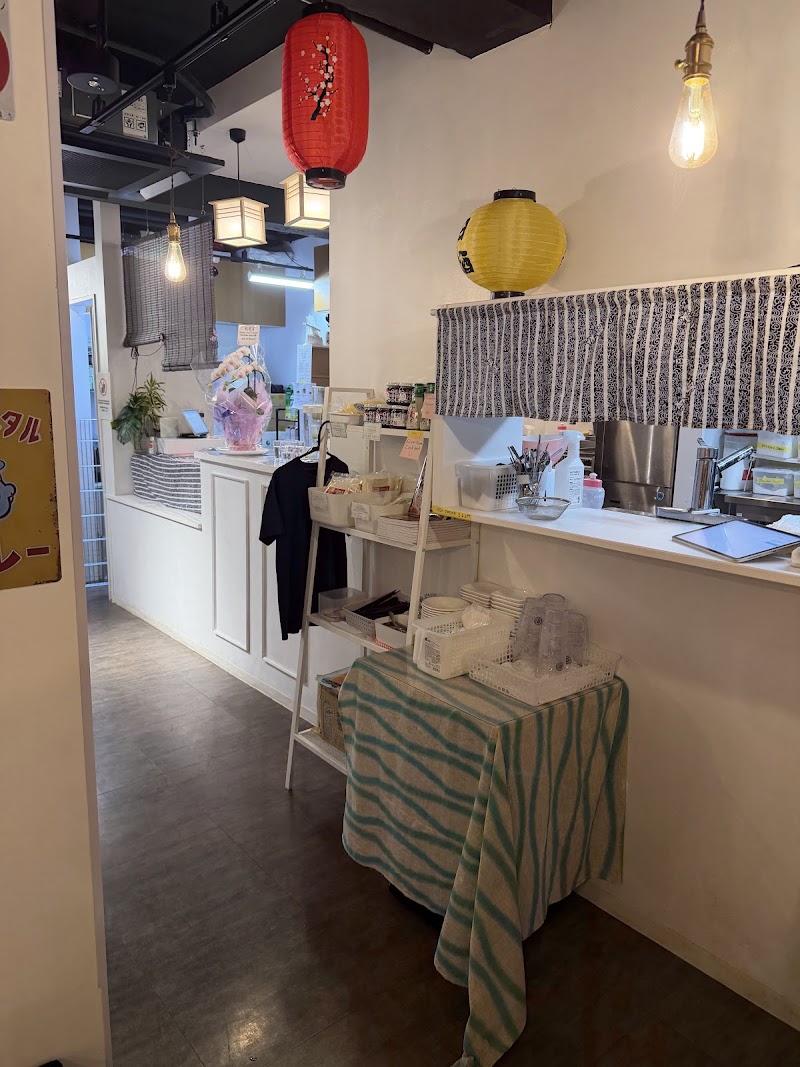
The Harajuku branch rounds out the T's Kitchen locations with a , located in the Jingumae area of Shibuya — the fashion and tourist district around Takeshita Street and Meiji Shrine. It's roughly 30 minutes from Tokyo Station via the Yamanote Line.
This location sits in a basement (B1) of a building on a Harajuku side street. Basement restaurants in Tokyo are common and often excellent, but worth noting when navigating — look for the building signage carefully. Confirm current hours and access on Google Maps.
How to Verify Before You Go
Even verified venues change hours, close for holidays, or update menus. Before any visit:
- Check Google Maps reviews sorted by "Newest" to catch any recent reports of issues or closures
- Call ahead or use the venue's contact form — having a printed Japanese allergy card stating komugi funyō (小麦不使用, "no wheat used") and komugi arerugi (小麦アレルギー) helps enormously
- Look for 小麦 on Japanese allergen labels — Japan's mandatory labeling system covers wheat (小麦, komugi) as one of eight required allergens; if you're grabbing anything from a konbini (convenience store), scan for this kanji
- Ask about shared fryers specifically — even a GF-menu restaurant can contaminate food if wheat-containing items are fried in the same oil
Practical Tips for Celiac Travelers in the Tokyo Station Area
Tokyo Station's ecika (underground food hall) and surrounding depachika (department store basement food floors) are extremely difficult terrain for celiacs due to shared preparation surfaces and the near-universal use of standard shoyu. Avoid pre-made bento and rice balls from these areas unless they carry explicit allergen information confirming no wheat.
For convenience store snacks, plain onigiri with salt-only seasoning (check the label — avoid anything listing 醤油 shoyu or 小麦 wheat), plain rice crackers labeled GF, and packaged fruit are lower-risk choices. The 7-Eleven, Lawson, and FamilyMart apps now show allergen information digitally in Japanese, which can be cross-checked.
The venues above represent your safest and most reliable options for a full sit-down meal in the greater Tokyo Station area. Always verify before you travel — a quick Google Maps check the morning of your reservation takes two minutes and can prevent a miserable experience.