Best Gluten Free Restaurants in Osaka (2026 Guide)
By Ikumi H.
Independent guide, based in Japan. Every venue verified via Google Places. How we verify →
Last updated: 2026-09-01 · 5 min read
Finding genuinely gluten free food in Osaka takes more than avoiding bread. Standard Japanese soy sauce (shoyu, 醤油) contains wheat. Dashi broths often use soy-sauced seasonings. Shared fryers mean takoyaki batter can contaminate "safe" items cooked in the same oil. Even miso paste frequently contains barley or wheat as secondary grains. The good news: Osaka's food scene has quietly developed some of the best dedicated gluten free venues in Japan. Here are five confirmed operational spots, with practical notes on what to ask and how to approach each one.
Vegan and Gluten Free Osaka THE SECONDROOM — Near Osaka Station
Located in Osaka Ekimae Dai-Yon Building in Umeda, this is the most strategically placed option for anyone arriving into or transiting through Osaka Station (Umeda). With a , the dedicated vegan-and-gluten-free concept means cross-contamination risk from wheat ingredients is structurally lower than at mainstream restaurants — the kitchen isn't routinely handling wheat flour. That said, always confirm when you arrive, as suppliers and menus change.
Useful to know: being underground in a large office building means it can feel hidden. Check the current floor map on Google Maps before you descend — basement layouts in Osaka Ekimae buildings can be confusing.
🏨 Find stays near these spots →
OKO – Fun Okonomiyaki Bar — Dotonbori
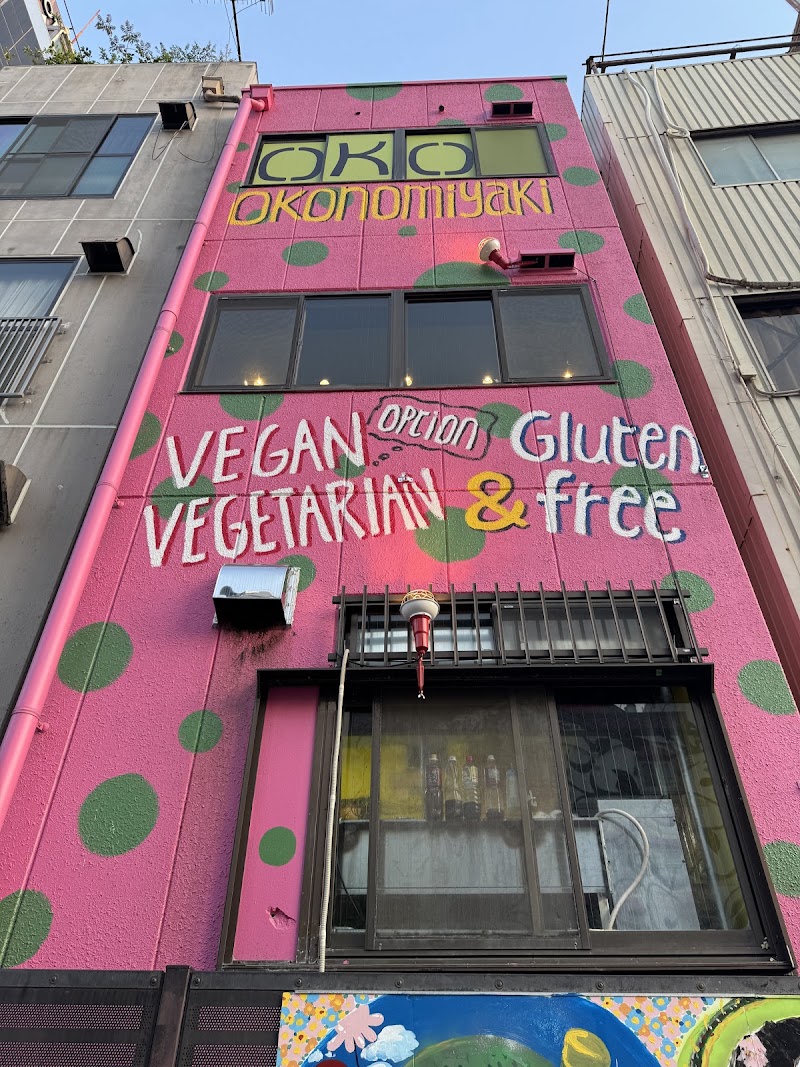
With a remarkable , OKO in Dotonbori, Chuo Ward is the standout crowd-pleaser on this list. Okonomiyaki (お好み焼き) is traditionally made with wheat flour — so a gluten free version is genuinely significant. OKO appears to offer a gluten free adaptation of this Osaka soul food, which is exactly what celiac travelers searching for an authentic local experience need.
A critical note: even when a restaurant offers a gluten free batter option, ask whether the grill surface is shared with wheat-based batters, and whether the sauce (sosu, ソース) and Japanese mayo are also wheat free. Standard okonomiyaki sauce contains wheat. Tamari (たまり醤油) is the wheat-free soy sauce alternative to ask about if soy-based condiments are involved.
Phrase to use: "Guruten wa haitte imasu ka?" (グルテンは入っていますか?) — "Does this contain gluten?"
OKO Takoyaki – Vegan Vegetarian Gluten Free — Shinsaibashi
The second OKO location sits in Higashishinsaibashi, Chuo Ward and focuses on takoyaki (たこ焼き) — Osaka's most iconic street food, which is normally off-limits for celiacs due to wheat-flour batter. This location holds a , making it one of the highest-rated gluten free options in the city.
Takoyaki from standard stalls uses wheat-containing batter, wheat-based sauce, and often shares cooking surfaces with other wheat products. A dedicated gluten free takoyaki experience is rare and worth seeking out. This venue is well-placed for anyone exploring the Shinsaibashi shopping and dining corridor, which puts it in reasonable distance of the southern end of the city center.
As always, verify current allergen practices directly. Ask: "Komugi wa tsukatte imasen ka?" (小麦は使っていませんか?) — "You don't use wheat, correct?"
FOLK茶菓 (folksaka) Cafe + Bakery — Fukushima
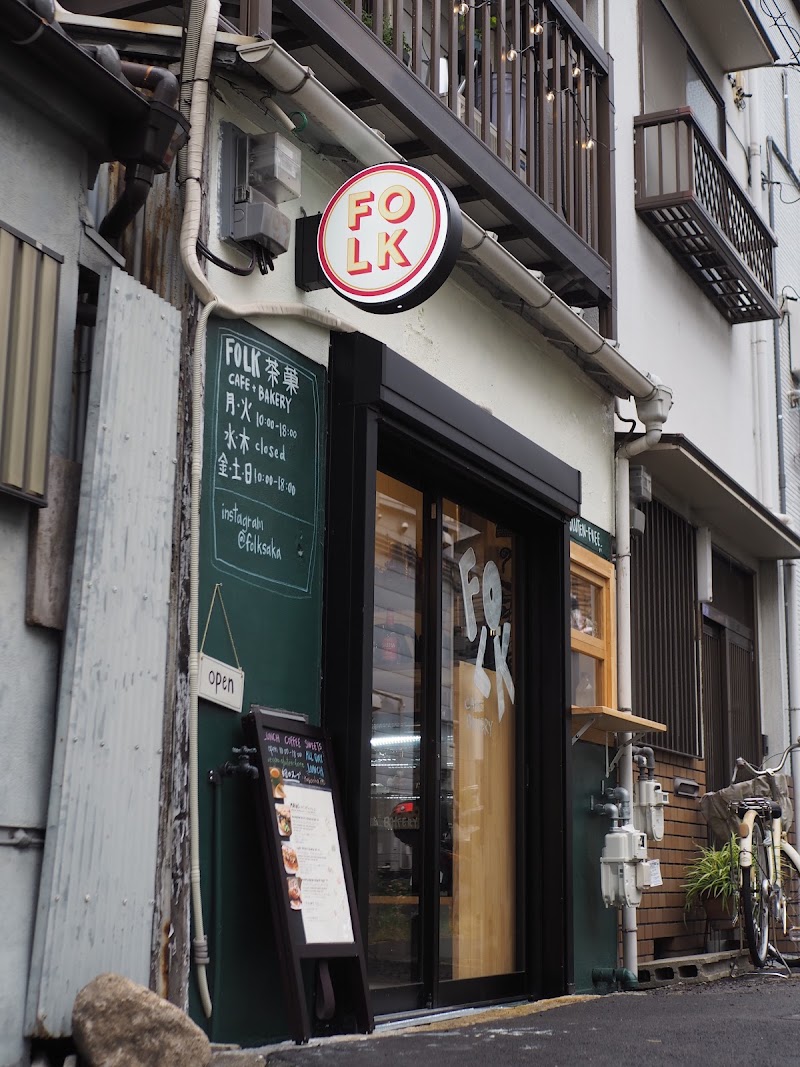
A perfect 5.0 rating from 187 reviews is unusual for any food venue — it signals a highly dedicated, loyal customer base, which in the gluten free world typically means the operator takes dietary needs seriously. FOLK茶菓 is located in Fukushima Ward, one stop west of Osaka/Umeda on the JR loop line, in a neighborhood that has developed a reputation for independent, quality-focused cafes.
The cafe-plus-bakery format matters: gluten free baked goods (bread, cakes, pastries) are the hardest category to find in Japan, where bakeries are almost universally wheat-based. If the menu includes gluten free baked items, this fills a genuine gap for travelers who miss bread-format food during longer stays.
Review the current menu on Google Maps or their social media before visiting, as small independent venues like this may have seasonal or limited offerings. Check opening days carefully — boutique cafes in Japan frequently close two or three days per week.
Gluten Free Café Anosaki Konosaki — Near Nakazaki-cho
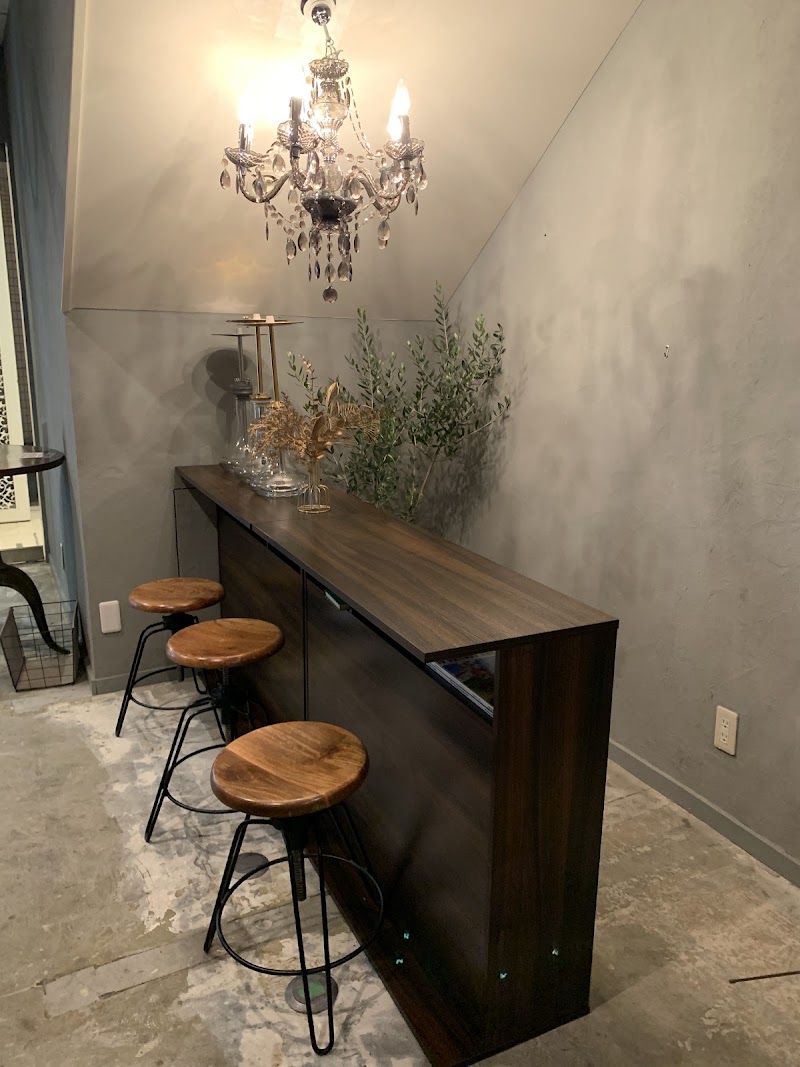
Located in Nakazakinishi, Kita Ward — the Nakazaki-cho neighborhood — this café explicitly names itself as gluten free, which is the strongest possible signal in Japan's food labeling environment. Its reflects a smaller but consistent customer base. Nakazaki-cho is a bohemian, vintage-shop district north of Umeda, making this a good option if you're exploring that area.
Dedicated gluten free cafes in Japan are rare enough that when they exist, they're worth supporting. The lower review count simply means fewer people have found it — not that quality is lacking. Confirm current hours and whether reservations are needed, as small dedicated venues can reach capacity quickly.
How to Verify Before You Go
Never assume a venue's gluten free status is unchanged. Here's the verification routine that actually works:
Check Google Maps reviews filtered by recency. Sort by "Newest" and look for mentions of 小麦 (komugi / wheat), グルテン (guruten / gluten), or celiac (セリアック). Recent reviewer experience is more reliable than the venue's own description.
Look for the 小麦 allergen label. Japan's mandatory allergen labeling system requires disclosure of wheat (小麦, komugi) across packaged foods and increasingly in restaurant menus. If a menu shows allergen icons and wheat is absent from your item, that's a good signal — but confirm verbally for cross-contamination.
Call or message ahead. Use Google Translate to send a message in Japanese: "小麦アレルギーがあります。グルテンフリーのメニューはありますか?" ("I have a wheat allergy. Do you have a gluten free menu?")
For areas not covered above: If you're visiting Osaka Aquarium (Kaiyukan) in the Tempozan harbor area, or Osaka Castle in the eastern part of the city, none of the venues above are immediately adjacent. Your best strategy in those areas is to search Google Maps for グルテンフリー (guruten furī) or アレルギー対応 (arerugī taiō / allergen-accommodating) near your location. Avoid food stalls around tourist attractions — shared fryers and wheat-heavy batters are the norm.
Practical Tips for Celiac Travelers in Osaka
Carry a celiac explanation card in Japanese. Several free versions exist online — they explain cross-contamination risk in terms Japanese kitchen staff will understand, going beyond a simple "no wheat" request.
At convenience stores (konbini), check the allergen table on packaging. Wheat is listed as 小麦 and is legally required to appear if present. Rice-based onigiri with plain fillings (pickled plum, salmon) are often your safest konbini option.
Soy sauce (shoyu) at restaurants is almost always wheat-containing. If a dish "just has a little soy sauce," that is not safe for celiac disease. Request tamari (たまり) as an alternative, and confirm it is 100% tamari with no added wheat.
The venues listed here represent confirmed operational locations with verified review counts as of August 2026. Hours, menus, and allergen protocols can change — always verify current details on Google Maps before making a trip.