Gluten Free Kyoto: Best Spots for Celiac Travelers
By Ikumi H.
Independent guide, based in Japan. Every venue verified via Google Places. How we verify →
Last updated: 2026-09-01 · 5 min read
Finding genuinely gluten free food in Kyoto is harder than it looks on a map. Standard Japanese cooking leans heavily on soy sauce (醤油, shoyu), and nearly all shoyu contains wheat — including the dashi broths ladled over rice bowls, the tare in ramen, and the marinades on yakitori. Even dishes that appear safe, like tempura or karaage, are deep-fried in shared oil alongside wheat-coated items. Japan's mandatory allergen labeling requires producers to flag wheat (小麦, komugi) on packaged food, which helps at convenience stores, but restaurant kitchens are another matter entirely.
The venues below have been verified as operational with meaningful Google review counts as of mid-2026. They represent a genuinely short list, which reflects reality: dedicated gluten free options in Kyoto are growing but still limited. Use this as a starting point, not an exhaustive directory.
VOG Kyoto — Vegetarian, Vegan, Gluten Free & Jain Restaurant (Nakagyo Ward)
With a , VOG is the single most-reviewed dedicated gluten free restaurant in Kyoto and a natural first stop for anyone searching from around Kyoto Station or the central shopping district. The name spells out the kitchen's commitments: vegetarian, vegan, gluten free, and Jain (no root vegetables). Located on the second floor of Mikihan Building in Nakagyo Ward, it sits in a walkable part of central Kyoto.
The restaurant's menu design — built from the ground up for gluten free diners — removes the cross-contamination anxiety that plagues mainstream restaurants. That said, always confirm when booking or arriving: kitchens change staff, suppliers, and menus. Ask specifically: "Komugi wa haitte imasu ka?" (小麦は入っていますか?) — "Does this contain wheat?" Check current hours and whether reservations are required via Google Maps before visiting.
🏨 Find stays near these spots →
ZIRAEL Vegan Restaurant (Higashiyama Ward, Gion)
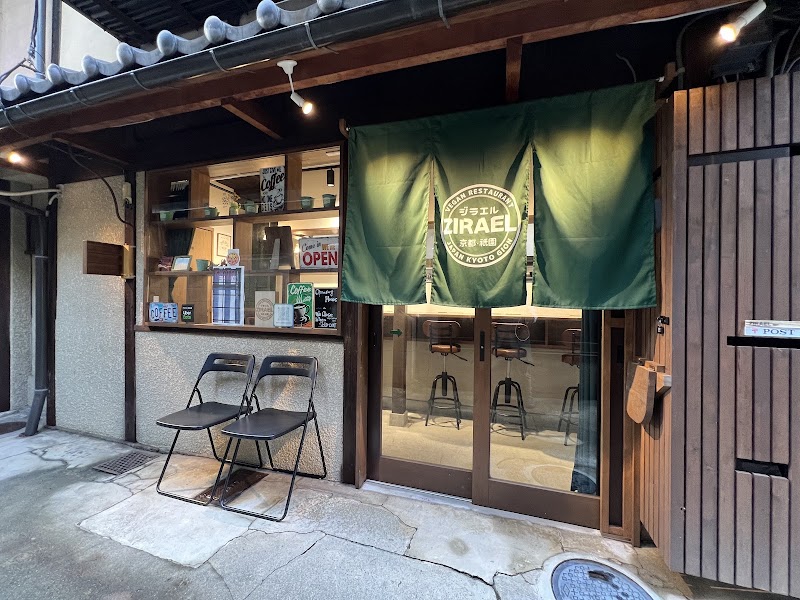
Positioned in the Gion district at , ZIRAEL is a plant-based restaurant that draws heavily from travelers navigating multiple dietary restrictions simultaneously. Its Higashiyama location makes it a logical option if you're spending the day walking between Kiyomizudera, Yasaka Shrine, or the Ninenzaka lanes.
Vegan restaurants in Japan tend to be naturally more gluten-aware than mainstream spots — they've already eliminated the meat-based dashi that often hides wheat — but vegan does not automatically mean gluten free. Soy sauce is vegan, and most of it contains wheat. When you arrive, be explicit: tell staff you cannot eat komugi (小麦) and ask whether they use tamari (たまり醤油) or gluten free soy sauce alternatives in their dishes. Confirm current details and hours via Google Maps.
Utsuwa to Cafe Bar Mokumoku (Higashiyama Ward)
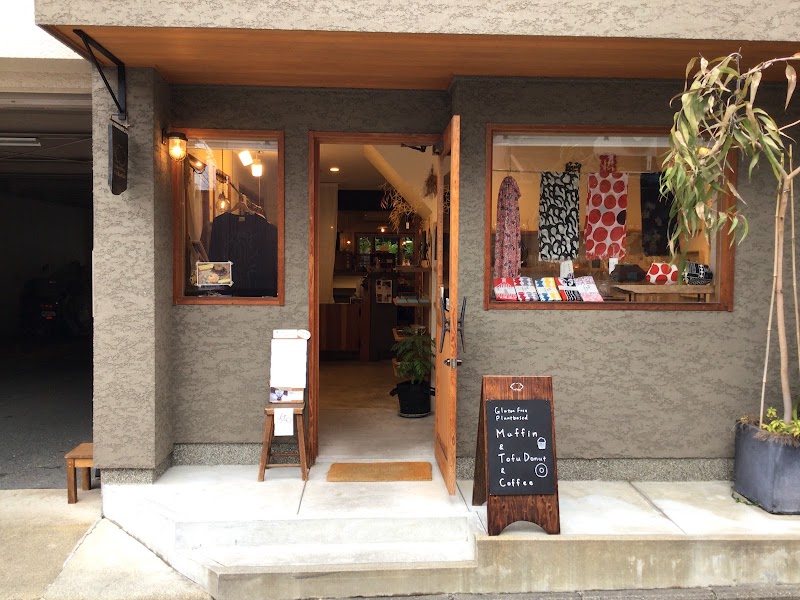
A smaller, quieter option in Higashiyama Ward, Mokumoku holds a strong — a respectable score that suggests consistent quality even at lower review volume. Cafes operating in the Higashiyama area often cater to international visitors and tend to be more practiced at handling dietary conversations than local neighborhood spots.
Because this is a cafe-bar format rather than a fully dedicated gluten free restaurant, cross-contamination is a more significant question here. Ask whether wheat-containing items are prepared on shared surfaces or in the same fryer. The Japanese phrase "Komugi arerugi ga arimasu" (小麦アレルギーがあります) — "I have a wheat allergy" — carries more urgency in a Japanese kitchen than simply saying you prefer to avoid gluten. Check operating hours, which can vary seasonally, on Google Maps.
SUSHI ROLL SHOP (Nakagyo Ward)
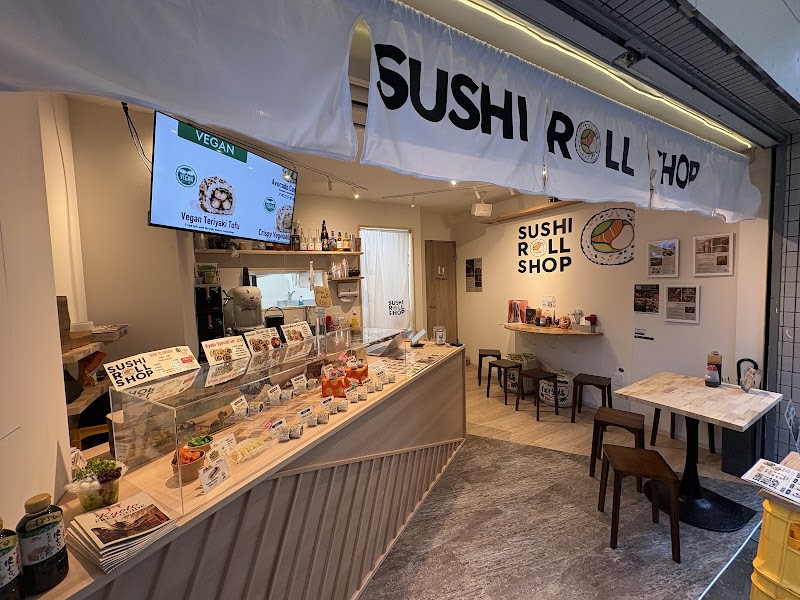
With a , this Nakagyo Ward sushi roll specialist is a high-scoring newer entry worth investigating. Sushi rice is naturally gluten free — it's seasoned with rice vinegar and sugar — but the critical variable is always the soy sauce served alongside. Standard shoyu contains wheat; ask whether tamari or a gluten free alternative is available. Also clarify whether any rolls include imitation crab (surimi), which typically contains wheat starch, or tempura fillings fried in shared oil.
This is a venue where a simple, polite conversation at the counter can make the difference between a safe meal and a reaction. Confirm current details via Google Maps before visiting.
Cafe & Bar Maru (Shimogyo Ward, Kiyamachi)
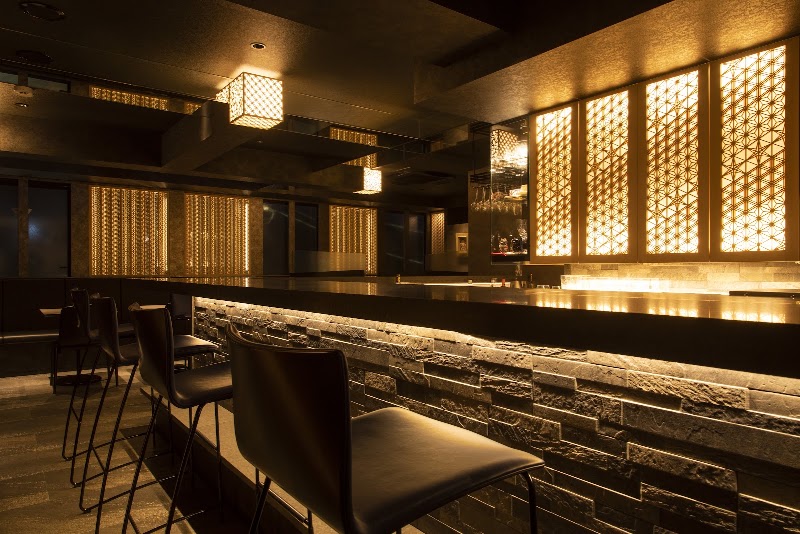
Located on the third floor of the RAKUAS building in the Kiyamachi area of Shimogyo Ward, Cafe & Bar Maru holds a . The Kiyamachi strip runs along the Takase River and is a lively nightlife and dining corridor — useful to know if you're based near Kyoto Station and looking for an evening option.
As with any cafe-bar, the gluten free picture depends on specifics: whether the kitchen uses tamari or standard shoyu, whether snacks are fried in shared oil, and whether staff understand the difference between a preference and a medical requirement. Use the allergy framing ("komugi arerugi ga arimasu") and ask to speak with kitchen staff if the front-of-house team is uncertain. Verify current hours on Google Maps.
How to Verify Before You Go
No restaurant review, including this one, replaces a direct confirmation. Before any visit:
- Check Google Maps for current hours, recent reviews mentioning gluten or wheat, and any menu photos showing allergen information.
- Email or DM ahead if you have severe celiac disease. Many Kyoto restaurants catering to international visitors can respond in English. Ask specifically about shared fryers, soy sauce type, and wheat in sauces or marinades.
- Carry a celiac restaurant card in Japanese. Several free downloadable versions exist. A good card explains that even small amounts cause illness — this distinction matters in a culture where "a little bit" (sukoshi dake) is sometimes offered as reassurance.
- At convenience stores (konbini), scan packaged food labels for 小麦 (komugi) in the allergen box. Japan's mandatory labeling makes this reliable for packaged items, but onigiri fillings and prepared hot foods at the counter do not carry the same guarantees.
Practical Tips for Celiac Travelers in Kyoto
Kyoto's traditional food culture includes some naturally safer options: plain steamed rice (gohan), tofu dishes prepared without added sauces, yudofu (hot pot tofu), and fresh fruit from market stalls. However, even miso soup deserves scrutiny — some miso pastes contain barley (mugi, 麦), and the dashi base may include wheat-seasoned products.
When in doubt, Nakagyo Ward's concentration of international-facing restaurants makes it the most practical base for gluten free dining, especially if you're arriving through or staying near Kyoto Station. Higashiyama's tourist corridor offers ZIRAEL and Mokumoku as solid options after a day of temple-hopping. Confirm everything fresh — hours shift with seasons, and menus in smaller Kyoto restaurants change more frequently than the review apps reflect.