Gluten Free Food Near Tokyo Station: Best Spots
By Ikumi H.
Independent guide, based in Japan. Every venue verified via Google Places. How we verify →
Last updated: 2026-09-01 · 5 min read
Finding genuinely gluten free food near Tokyo Station is harder than it looks. Japanese cuisine relies heavily on wheat in forms that aren't always obvious: soy sauce (shoyu, 醤油) contains wheat, tempura batter is almost always flour-based, and ramen broths are frequently seasoned with wheat-containing tare. Even dishes that seem safe—grilled meat, plain rice—can be cross-contaminated through shared fryers, shared tongs, or house sauces applied during cooking. The good news: a small but growing number of dedicated gluten free restaurants in Tokyo have built their entire kitchens around this problem, and several are within a short train ride of Tokyo Station.
The venues below are verified as operational (data retrieved August 2026) with substantial Google review counts. Always check current hours and reservations on Google Maps before visiting—hours and menus do change.
Oh Nana! Gluten Free Japanese Cafe & Restaurant (Kanda)
This is your closest option to Tokyo Station. Kanda (Chiyoda City) sits just one stop north on the Chuo or Sobu line, making Oh Nana! extremely convenient for travelers based around Marunouchi or the Yaesu side of the station. With a , it ranks as one of the highest-rated dedicated gluten free venues in Tokyo—and the review volume is large enough to be meaningful, not a small-sample fluke.
The "Japanese Cafe & Restaurant" framing is significant. This isn't a Western-style gluten free bakery transplanted to Tokyo; it's building around Japanese food culture, which is exactly what celiac travelers need. When you visit, ask specifically whether their soy sauce is tamari (たまり) or a wheat-free alternative—some dedicated GF venues use certified gluten free tamari in place of standard shoyu. Confirm that sauces, marinades, and broths are made in-house without wheat starch or wheat-derived seasonings.
Check current hours and book ahead on Google Maps.
🏨 Find stays near these spots →
Gluten Free T's Kitchen Ueno-hirokoji (Chiyoda/Akihabara area)
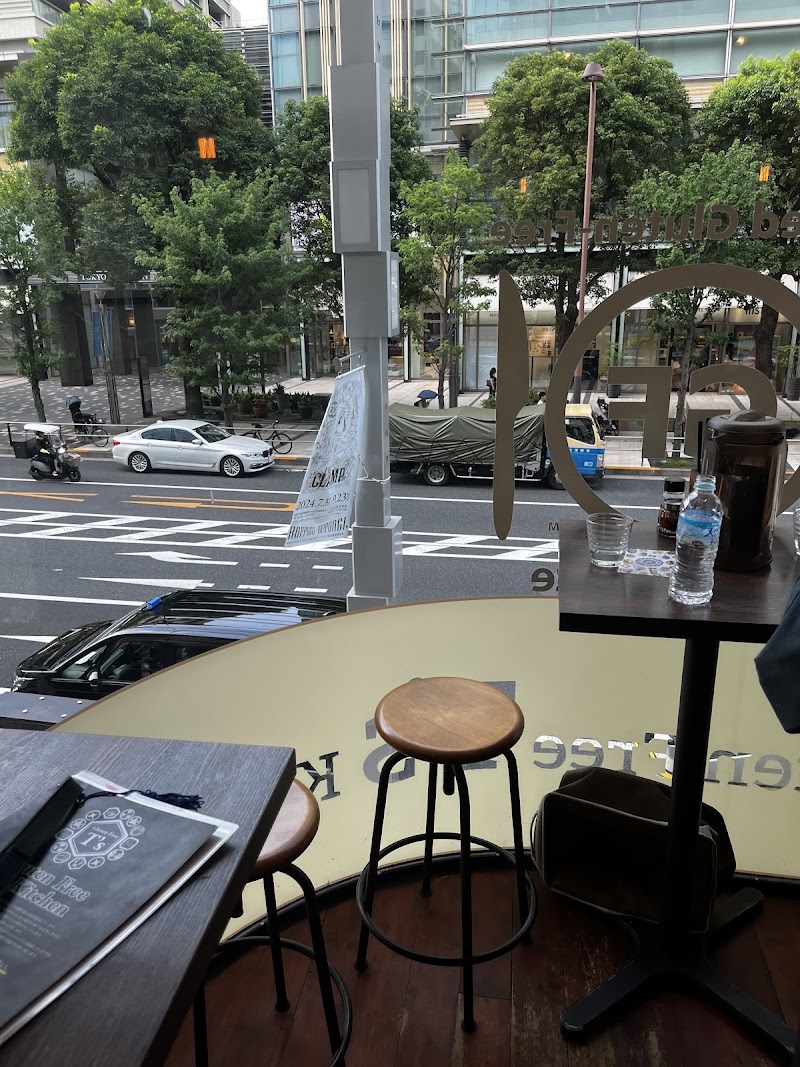
The T's Kitchen chain has become the most recognizable dedicated gluten free brand in Tokyo, and the Ueno-hirokoji location is their most-reviewed branch in the greater Tokyo Station catchment area— is a meaningful signal. It's located in Sotokanda, Chiyoda City, placing it near Akihabara and easily reachable from Tokyo Station via the Yamanote or Keihin-Tohoku line (around 5–8 minutes).
T's Kitchen positions itself as a fully dedicated gluten free kitchen, which matters enormously for celiac safety. Cross-contamination from shared equipment is one of the trickiest issues in Japan—a restaurant can use rice noodles and still contaminate a dish if the fryer also handles wheat-based products. A dedicated kitchen eliminates that category of risk. Ask upon arrival: Kono mise wa komugi wo tsukawanai daidokoro desu ka? (この店は小麦を使わない台所ですか?) — "Is this a kitchen that doesn't use wheat?"
Note that this branch is located within an APA Hotel building, so entrance logistics may differ slightly from a standalone restaurant. Verify current access and hours on Google Maps.
Kushiage Su (Ginza)
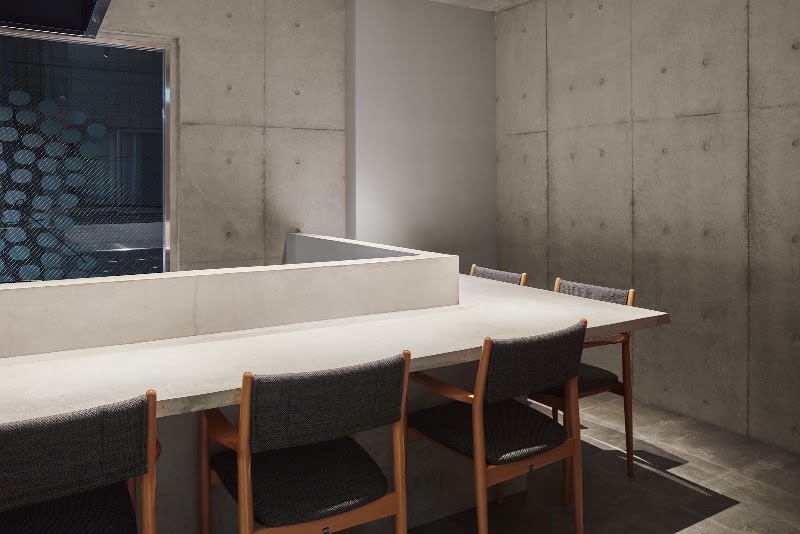
Ginza (Chuo City) is a 5-minute ride from Tokyo Station on the Ginza subway line or a 15-minute walk, making this one of the most geographically accessible options on this list. Kushiage Su holds a rare perfect 5.0 rating from 201 reviews—a review count large enough to take seriously.
Kushiage (串揚げ) is battered and deep-fried skewered food, which sounds like a minefield for gluten free diners, and in a conventional kushiage restaurant it absolutely is. Standard kushiage batter is wheat flour–based. What makes Su notable is that it appears to have built a dedicated gluten free kushiage concept around this exact challenge—likely using rice flour or other wheat-free coatings. This is genuinely novel in the Tokyo dining scene.
Because fried food safety depends entirely on what's in the batter and whether the oil is shared, these are the two questions to confirm without ambiguity before ordering: (1) Is the batter completely wheat-free? (2) Is the fryer dedicated and never used for wheat-containing items? Bring this phrase if needed: Komugi arerugi ga arimasu. Komugi wa haitte imasuka? (小麦アレルギーがあります。小麦は入っていますか?) — "I have a wheat allergy. Does this contain wheat?"
This venue warrants advance reservations. Check current availability on Google Maps.
Gluten Free T's Kitchen Roppongi
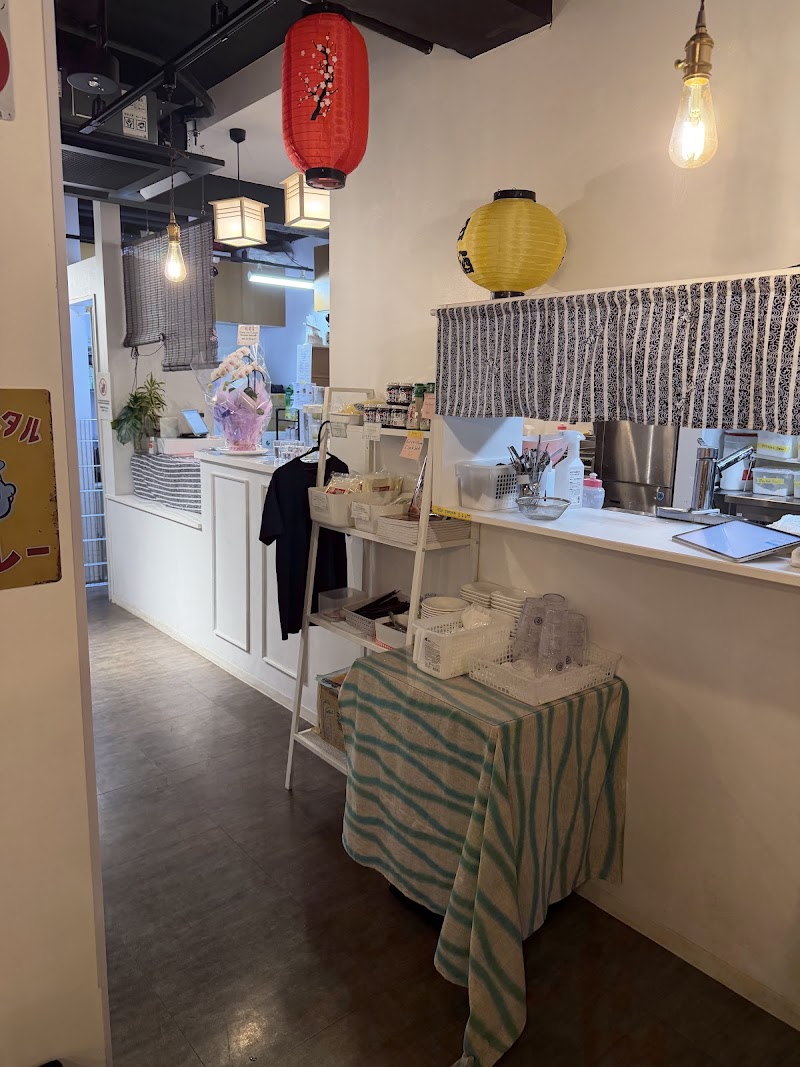
The Roppongi flagship is the most-reviewed T's Kitchen location by a wide margin—. Roppongi (Minato City) is roughly 20 minutes from Tokyo Station by subway, which puts it at the outer edge of "near Tokyo Station" but remains highly relevant for travelers staying in central Tokyo or combining a meal with an evening in Roppongi.
As the chain's highest-traffic location, this branch has the deepest English review base, which can be helpful for pre-trip research. The volume of reviews also gives you confidence that the kitchen has handled celiac requests from international visitors repeatedly. Always confirm current menus on arrival—dedicated GF kitchens sometimes rotate seasonal items, and what you read in a six-month-old review may not reflect current offerings.
Check current hours on Google Maps.
Gluten Free T's Kitchen Harajuku
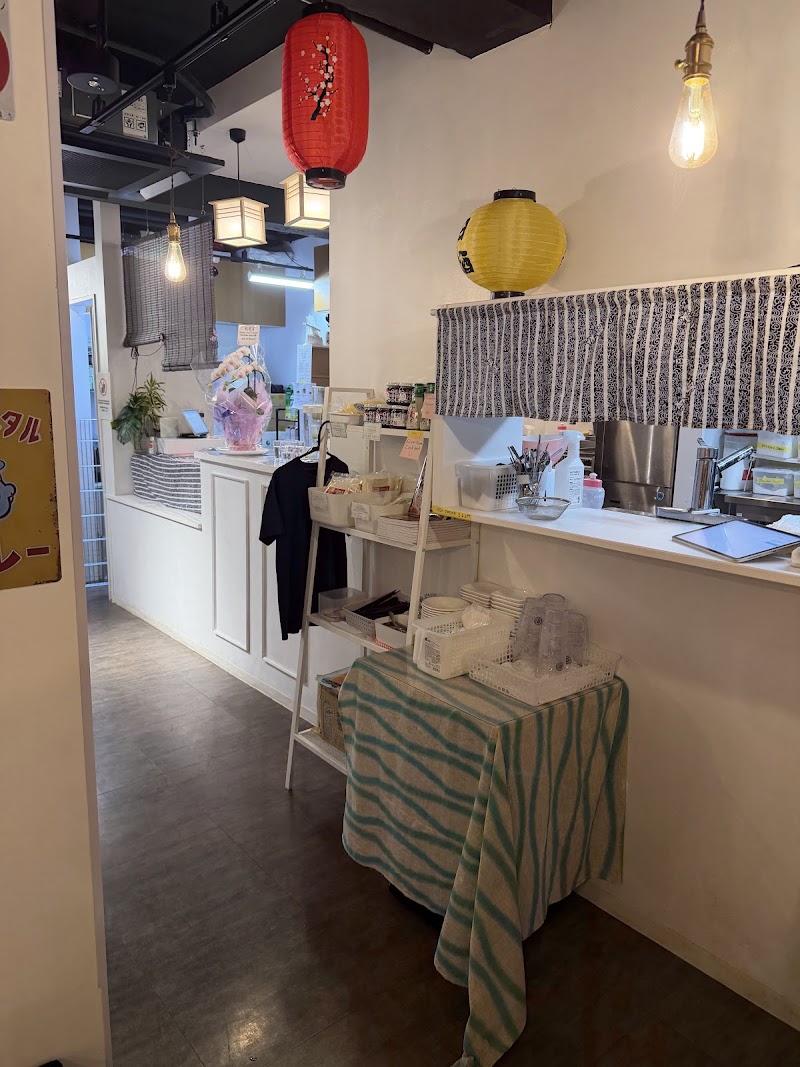
The Harajuku branch is located in Jingumae, Shibuya—about 25 minutes from Tokyo Station via the Yamanote line to Harajuku or Meiji-Jingumae. It carries a . While it's the furthest venue on this list from Tokyo Station, it's a natural stop if your itinerary includes Harajuku, Omotesando, or Shibuya.
The basement-level (B1) location in the Champs-Élysées Harajuku building means it's not street-visible—worth knowing before you walk past it. Confirm the entrance on Google Maps before you go.
How to Verify Before You Go
Regardless of which venue you choose, run these checks before visiting:
- Confirm hours on Google Maps—Japanese restaurants close for lunch breaks, take specific weekdays off, and occasionally close for private events.
- Call ahead or message via Google if you have celiac disease (not just an intolerance). Use: Seriatku byou desu (セリアック病です) — "I have celiac disease."
- At konbini (convenience stores), read allergen labels carefully. The mandatory label for wheat is 小麦 (komugi). Japan's current mandatory allergen labeling covers 8 items including wheat—look for the 小麦 symbol in ingredient tables on packaged food.
- Ask about shared fryers explicitly at any venue that serves both fried and non-fried items, even at dedicated GF restaurants.
- Tamari check: Confirm that any soy sauce used is wheat-free tamari, not standard shoyu. Many "gluten free" dishes in Japan still use regular soy sauce.
Final Tips for Celiac Travelers Near Tokyo Station
The venues above represent some of the safest and most reliable gluten free dining in Tokyo. Oh Nana! in Kanda wins on proximity to Tokyo Station; Kushiage Su in Ginza wins on novelty and ratings; the T's Kitchen network wins on consistency across multiple locations. Plan your days around these locations when possible rather than hoping to find safe options ad hoc—spontaneous gluten free dining in Japan remains genuinely difficult, and these verified spots are your best foundation for a safe, satisfying trip.