Gluten Free Food Near Kyoto Station: 5 Vetted Spots
By Ikumi H.
Independent guide, based in Japan. Every venue verified via Google Places. How we verify →
Last updated: 2026-09-01 · 5 min read
Finding gluten-free food near Kyoto Station sounds straightforward until you remember that Japanese soy sauce (shoyu/醤油) contains wheat, tempura batter is everywhere, and most ramen broths are seasoned with wheat-containing tare. Even dishes that look safe — grilled meat, steamed rice, miso soup — can harbour hidden gluten through shared fryers, shared utensils, or sauces added at the last moment. This roundup cuts through the guesswork with five confirmed-operational venues, practical questions to ask, and the Japanese phrases that actually move the conversation forward.
VOG Kyoto — Nakagyo Ward (The Anchor Option)
If you have celiac disease and you're only going to pre-book one place in Kyoto, make it this one. VOG Kyoto — which stands for Vegetarian, Organic, and Gluten-Free — dedicates its entire menu concept to these dietary needs, which is genuinely rare in Japan. Located in Nakagyo Ward (about 15 minutes by subway from Kyoto Station), it holds a remarkable , making it the most socially-proven option on this list by a wide margin.
Because gluten-free is built into the restaurant's identity rather than offered as an afterthought, you're working with staff who understand the concept — not having to explain what komugi (小麦, wheat) means from scratch. That said, still confirm your specific needs when booking and again when seated. Cross-contamination protocols vary even in well-intentioned kitchens.
View on Google Maps — verify current hours and book ahead.
🏨 Find stays near these spots →
Beef-Tei — Minami Ward (For the Yakiniku Option)
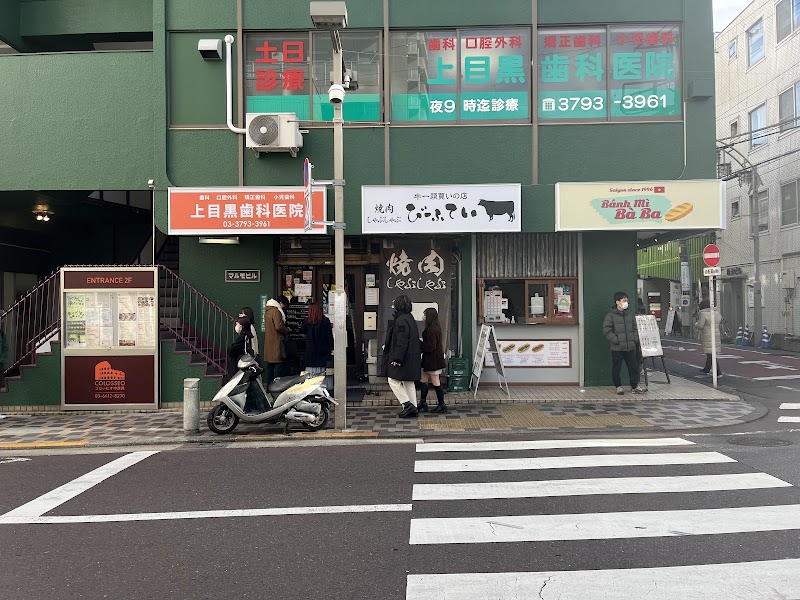
Yakiniku (grilled meat/焼き肉) is one of the more naturally gluten-friendly dining formats in Japan, because the core product — meat, grilled on a tabletop grill — is inherently free of gluten. Beef-Tei in Minami Ward, just south of Kyoto Station, has earned a , which signals consistent quality at scale.
The critical caveat: yakiniku safety depends almost entirely on the dipping sauces (tare/たれ). Standard yakiniku tare is made with soy sauce, which in Japan almost universally contains wheat. You need to ask specifically: "Tare ni komugi wa haitte imasu ka?" (タレに小麦は入っていますか? — "Does the dipping sauce contain wheat?"). Some restaurants stock tamari-based sauces (tamari/たまり醤油, which is traditionally wheat-free, though always verify the specific brand). Eating the meat plain, or bringing a small bottle of certified tamari, is the safest fallback.
Also ask whether the grill surfaces are shared or individual, and whether marinades are applied before service.
View on Google Maps — confirm current menu and sauce ingredients directly.
Cafe & Bar Maru — Shimogyo Ward (The Flexible Cafe)
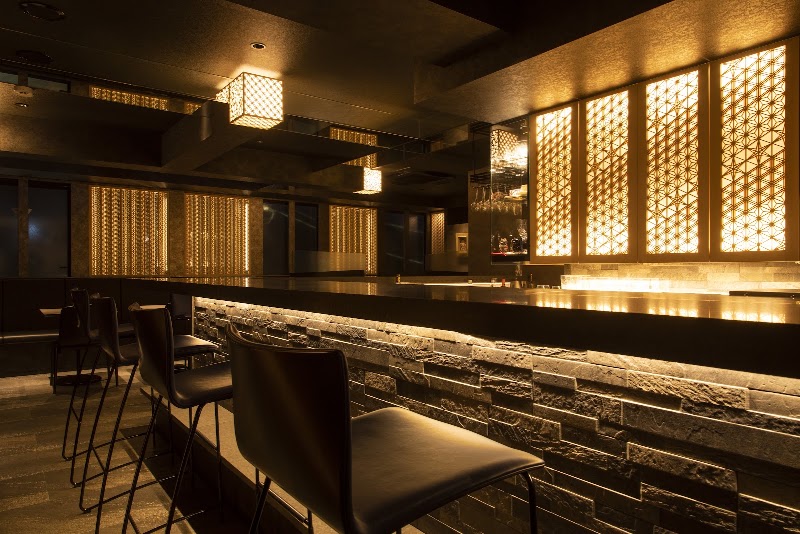
Located in the RAKUAS building on Kiyamachi in Shimogyo Ward — walkable from Kyoto Station — Cafe & Bar Maru holds a . Cafe-bar formats in Japan can be more flexible than traditional restaurants when it comes to dietary requests, particularly in internationally-oriented venues in central Kyoto.
The practical approach here is to arrive with your needs written out in Japanese: "Komugi arerugi ga arimasu. Komugi ga haitte iru mono wa taberaremasen." (小麦アレルギーがあります。小麦が入っているものは食べられません。 — "I have a wheat allergy. I cannot eat anything containing wheat.") Show this written, as reading is often easier for staff than understanding spoken requests under pressure.
Cafe menus rotate and vary, so do not assume any specific dish is safe without asking. Verify whether the kitchen uses shared preparation surfaces and whether any sauces or dressings contain shoyu.
View on Google Maps — check current hours before visiting.
Utsuwa to Cafe Bar Mokumoku — Higashiyama Ward (The Scenic Detour)
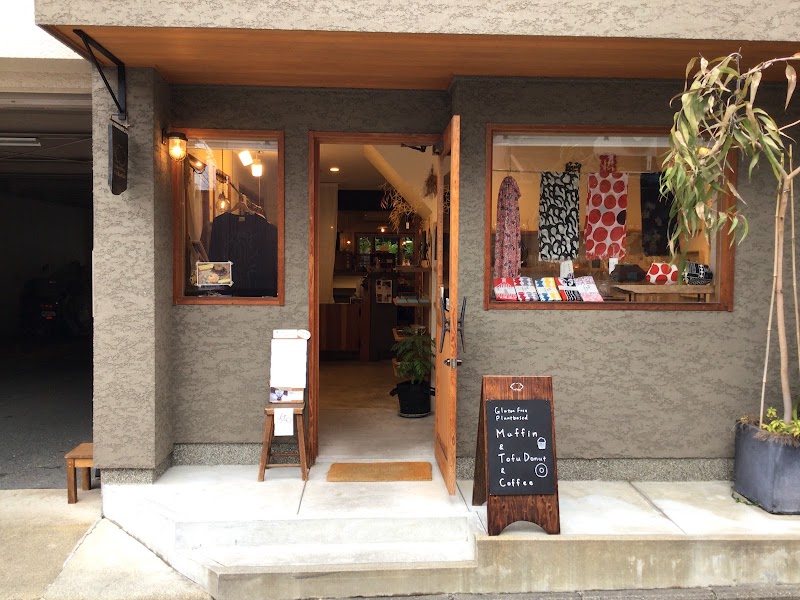
This cafe-bar in Higashiyama Ward carries a standout — a high score built on a smaller but apparently enthusiastic customer base. Higashiyama is one of Kyoto's most-visited historic districts, making this a useful option if you're spending the day walking Ninenzaka or Sannenzaka and need a reliable stop.
Small cafe operations sometimes offer more flexibility on dietary needs because the kitchen is simpler and staff can give you clearer answers — but they can also mean less experience with formal allergen queries. Approach the conversation calmly and specifically. Ask about individual dishes, not the menu in general. Phrases like "Kono ryouri ni shoyu wa haitte imasu ka?" (この料理に醤油は入っていますか? — "Does this dish contain soy sauce?") are more useful than broad questions about gluten.
Note that this venue is further from Kyoto Station than the others — plan your visit as part of a Higashiyama itinerary rather than a quick lunch stop.
View on Google Maps — confirm current hours, especially for midweek openings.
UNO RAMEN — Inside Kyoto Station (Know Before You Go)
UNO RAMEN sits on the 10th floor of the Kyoto Station Building in the famous Kyoto Ramen Koji (京都拉麵小路), rated . It's the most convenient location on this list — literally inside the station — which matters enormously when you're arriving tired after a Shinkansen journey.
Ramen is one of the most gluten-intensive dishes in Japanese cuisine: noodles contain wheat, tare almost always contains shoyu or miso with wheat, and broths can be thickened or seasoned with wheat-containing ingredients. However, some ramen shops now offer rice noodle substitutions (米麺/kome men) or have developed allergen-conscious menus in response to tourist demand.
Before visiting, contact UNO RAMEN directly or check recent reviews specifically mentioning gluten-free or komugi-free options. If a rice noodle option exists and the broth and tare are confirmed wheat-free, this could be a viable stop. If not, it's worth knowing in advance rather than discovering at the counter.
View on Google Maps — verify gluten-free options directly before visiting.
How to Verify Before You Go
Check Google Maps reviews for the word "gluten" — travellers with celiac often leave detailed notes. Filter for English reviews and search within the review text.
Japan's allergen labeling law requires packaged foods to declare 8 major allergens including wheat (小麦/komugi). In restaurants, there is no equivalent legal requirement, so staff responses vary in reliability. Always ask about komugi specifically, not just "gluten."
Key phrases to use or show written:
- 小麦アレルギーがあります (Komugi arerugi ga arimasu) — I have a wheat allergy
- 小麦が入っていますか?(Komugi ga haitte imasu ka?) — Does this contain wheat?
- 醤油は使っていますか?(Shoyu wa tsukatte imasu ka?) — Do you use soy sauce?
At konbini (convenience stores), scan ingredient labels for 小麦 in the allergen box — it's legally required on packaged items and reliable.
Booking ahead for VOG Kyoto in particular is strongly advised, especially on weekends.
The effort of verifying in advance pays off significantly. Kyoto's food scene is rich and rewarding — with the right preparation, eating safely here is absolutely possible.