Gluten Free Breakfast Near Tokyo Station: 5 Vetted Picks
By Ikumi H.
Independent guide, based in Japan. Every venue verified via Google Places. How we verify →
Last updated: 2026-09-01 · 5 min read
Tokyo Station's morning food scene looks abundant until you realize that shoyu (soy sauce) — the backbone of Japanese cooking — almost always contains wheat. Dashi broths use soy-marinated ingredients, "light" salad dressings hide 小麦 (komugi, wheat), and shared fryers make "safe-looking" options risky. This guide cuts through that noise with five verified, operational venues that gluten-sensitive travelers have actually rated — plus the questions you need to ask before you eat.
Gluten Free T's Kitchen Ueno-hirokoji — The Closest Dedicated Option
For gluten-free travelers staying near Tokyo Station, this is your most practical morning option. Located in Sotokanda, Chiyoda City — about 15 minutes by Ginza Line from Tokyo Station to Ueno-hirokoji station — T's Kitchen is a dedicated gluten-free restaurant, meaning cross-contamination risk is structurally lower from the start. With a , it has a solid track record with international visitors.
The venue sits inside APA Hotel Ueno Hirokoji, which makes it a natural breakfast destination if you're scouting options beyond your own hotel buffet. Because it's a dedicated facility, the staff are trained to understand gluten avoidance — but celiac disease as a medical condition is still not widely understood in Japan, so always clarify using the phrase: "Komugi arerugi ga arimasu" (小麦アレルギーがあります — "I have a wheat allergy"). Check Google Maps for current breakfast hours before visiting, as hotel restaurant schedules shift seasonally.
🏨 Find stays near these spots →
Soranoiro Nippon — Gluten-Free Ramen Inside Tokyo Station
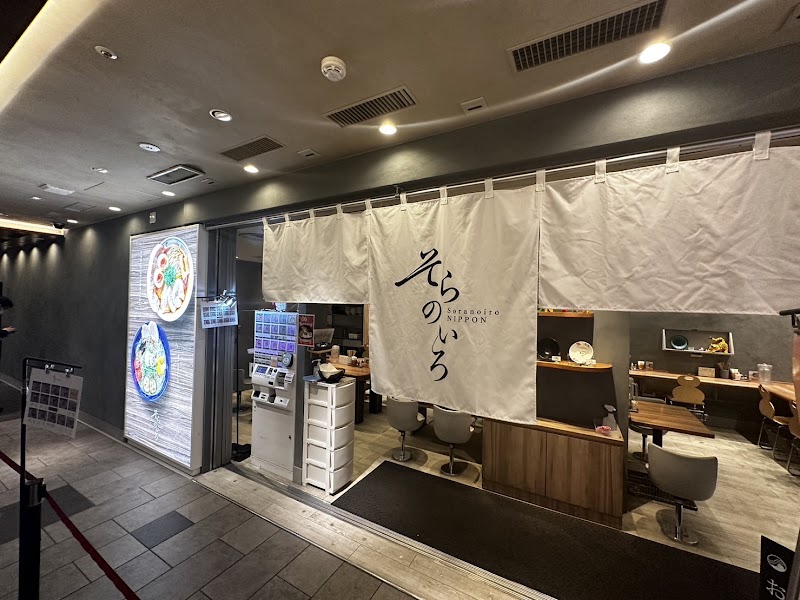
Yes, ramen for breakfast is completely normal in Japan — and Soranoiro Nippon is one of the very few ramen shops in the country with a documented gluten-free broth and noodle option. It's located on the basement Ramen Street (一番街地下ラーメンストリート) inside Tokyo Station's Marunouchi complex, making it arguably the most convenient venue on this list geographically.
With , the volume of feedback gives a realistic picture: this is a busy tourist-facing spot, not a quiet specialty café. The high review count means the gluten-free option is genuinely popular, but it also means tables turn fast and staff are stretched. Soranoiro has historically used rice noodles as a wheat-free substitute, but verify this directly when ordering — menus and ingredient sourcing change. Ask: "Guruten furii menyu wa arimasu ka?" (グルテンフリーメニューはありますか?— "Do you have a gluten-free menu?"). Confirm that the broth uses tamari (wheat-free soy sauce) rather than standard shoyu, and check whether gluten-free bowls are prepared in a separate area from wheat noodles.
Wagyu & Vegan Hamburger — Ginza's Halal-Gluten-Free Restaurant
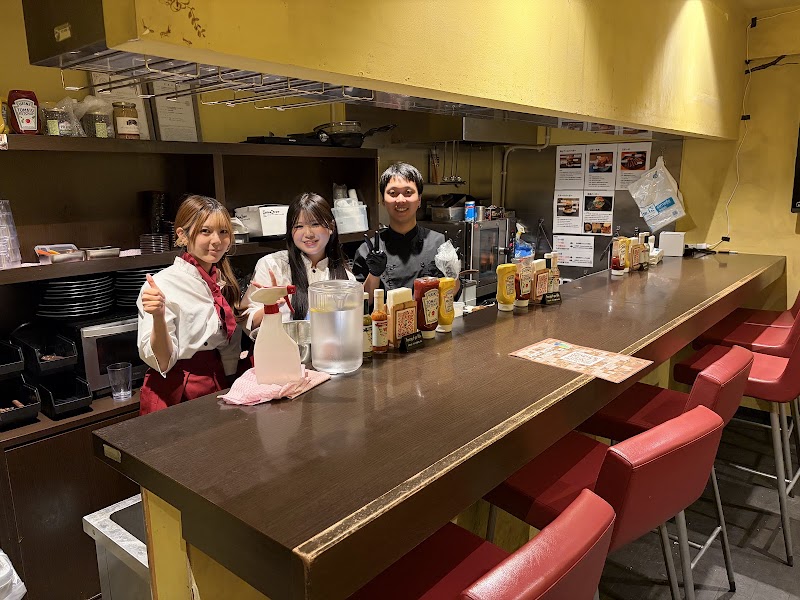
A short walk or one subway stop from Tokyo Station into Ginza brings you to this basement restaurant in Ginza 7-chome. The full name says it plainly: Halal and gluten-free are both built into the kitchen's operating principles, not afterthoughts. With a remarkable , this is the highest-confidence option on this list in terms of both safety design and customer satisfaction.
For celiac travelers, a kitchen built around halal compliance often (not always) means stronger ingredient traceability and less casual cross-contamination. That said, halal and gluten-free are separate certifications — confirm the specific gluten-free protocols when you arrive. Breakfast service availability should be verified on Google Maps before planning your morning around it, as this style of restaurant in Japan often opens at lunch. If it's available for your visit window, the Wagyu beef focus means a naturally rice-forward, wheat-light meal base.
RICEHACK GlutenfreeBakery — Worth the Trip to Jingumae
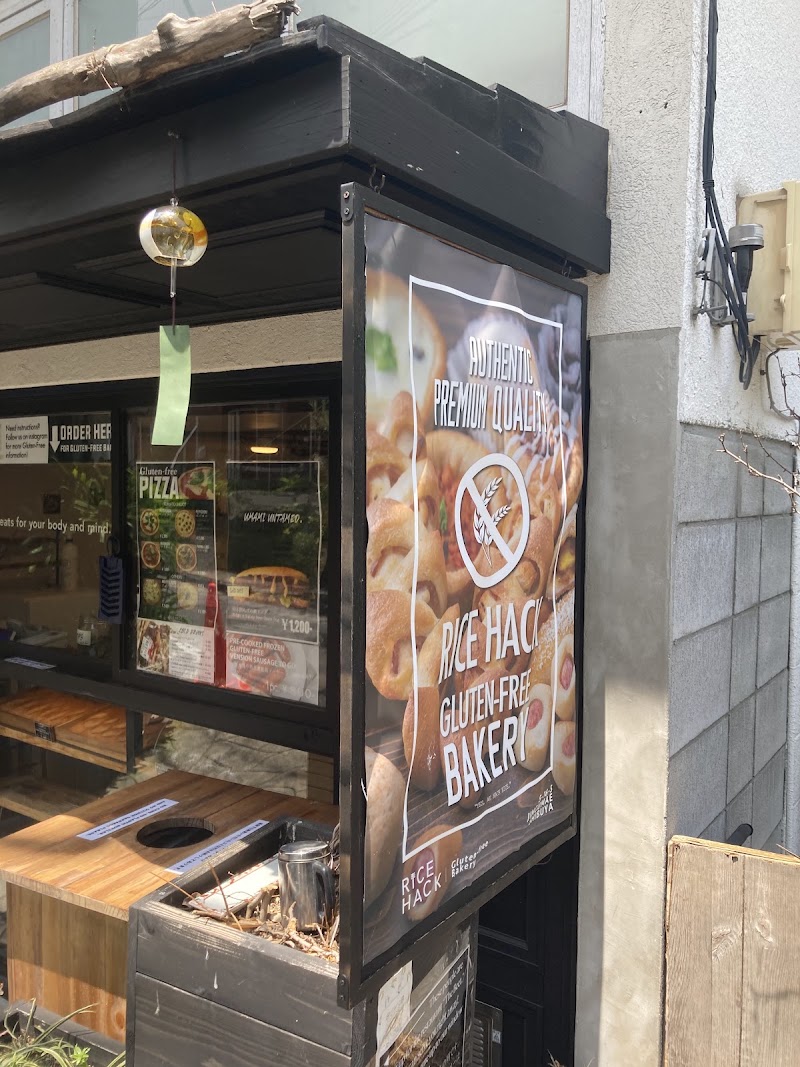
This Shibuya-based bakery in Jingumae is not close to Tokyo Station — plan for about 30 minutes by Yamanote Line to Harajuku or Meiji-Jingumae station. But for gluten-free travelers who miss bread, pastries, or baked goods in the morning, RICEHACK may be worth building a morning excursion around. The name itself signals the concept: rice-based baking as a wheat-free architecture. With a , it's the highest-rated venue on this list and has a dedicated following among GF travelers in Tokyo.
A dedicated gluten-free bakery means no shared flour clouds, no wheat-contaminated proofing trays — structural safety that no amount of careful ordering can replicate in a mixed kitchen. Confirm current opening days before visiting; specialty bakeries in Tokyo often close one or two weekdays, and hours can shift. Pair this with a morning visit to Meiji Shrine if you want to turn the detour into a full experience.
Ivy Place — All-Day Café in Daikanyama
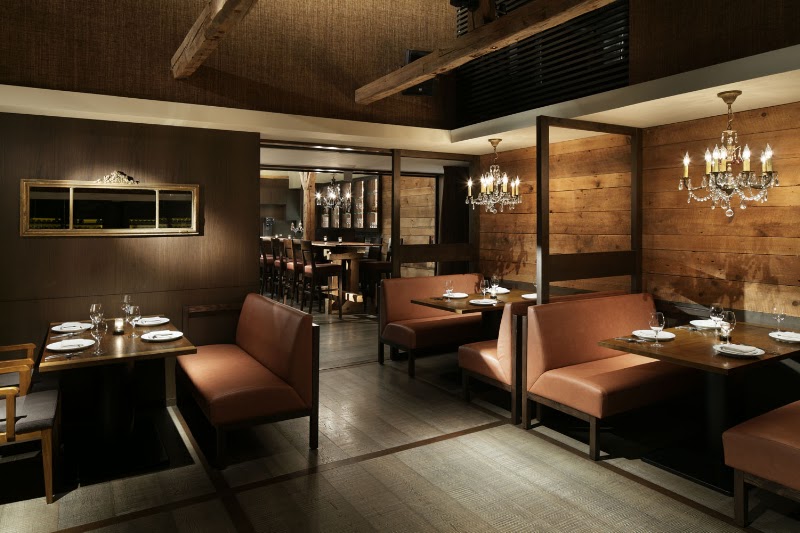
Ivy Place in Sarugakucho, Shibuya is a Western-style all-day café with a — another venue with enough review volume to trust the consensus. Located in Daikanyama, it's roughly 25–30 minutes from Tokyo Station via the Toyoko Line from Shibuya.
The café's Western brunch format means staff have more familiarity with dietary requests than a typical Japanese teishoku (set meal) spot. However, "gluten-free friendly" and "dedicated gluten-free" are very different things. Ask specifically about shared fryers, whether the kitchen can prepare eggs or protein dishes without soy sauce, and whether any gluten-free bread alternatives are available. Use the allergen phrase above and, if needed, carry a gluten-free dining card in Japanese — several are available free online from celiac organizations. Check the current menu on Google Maps or their website before visiting.
How to Verify Before You Go
Venue data changes. Here's how to protect yourself:
- Check Google Maps the morning of your visit for updated hours, temporary closures, and recent reviews mentioning gluten-free experience.
- Look for 小麦 on konbini allergen labels — Japan's mandatory allergen labeling requires wheat (小麦, komugi) to be declared on packaged foods. Convenience stores like 7-Eleven and Lawson are a reliable backup breakfast if a venue falls through.
- Call ahead if possible. Say: "Komugi wo fukumanai ryouri wa arimasu ka?" (小麦を含まない料理はありますか?— "Do you have dishes that don't contain wheat?")
- Carry a printed or digital dining card in Japanese explaining celiac disease. The phrase "komugi arerugi" covers wheat allergy but doesn't communicate the severity of celiac cross-contamination — a card gives chefs the full picture.
- Tamari vs. shoyu: Standard soy sauce contains wheat. Tamari (たまり) is the wheat-free alternative. Always confirm which is in use.
Final Tips for GF Mornings Near Tokyo Station
Tokyo Station itself has hundreds of food vendors — nearly all use wheat in some form. Shared fryers in depachika (department store basement food halls) are a significant cross-contamination risk even for foods that look safe. Your safest strategy is to identify your venue the night before, confirm it's open, and arrive early before the lunchtime rush makes communication with staff harder. Japan's food culture is meticulous about ingredients — once staff understand your need clearly, they take it seriously.